
Piyush Goyal US Visit 2026: India's Strategic Push for G20 Trade Deal and India-US Bilateral Trade Agreement
Union Minister Piyush Goyal visits the United States from September 29 to October 5, 2026, for the G20 Trade Ministers' Meeting in Milwaukee, high-level business engagements in Chicago and New York, and critical negotiations on the India-US Bilateral Trade Agreement.
By Current Affairs Viva Desk | Updated: September 28, 2026 | Reading Time: ~35 minutes
Introduction: A Defining Moment in India-US Economic Relations
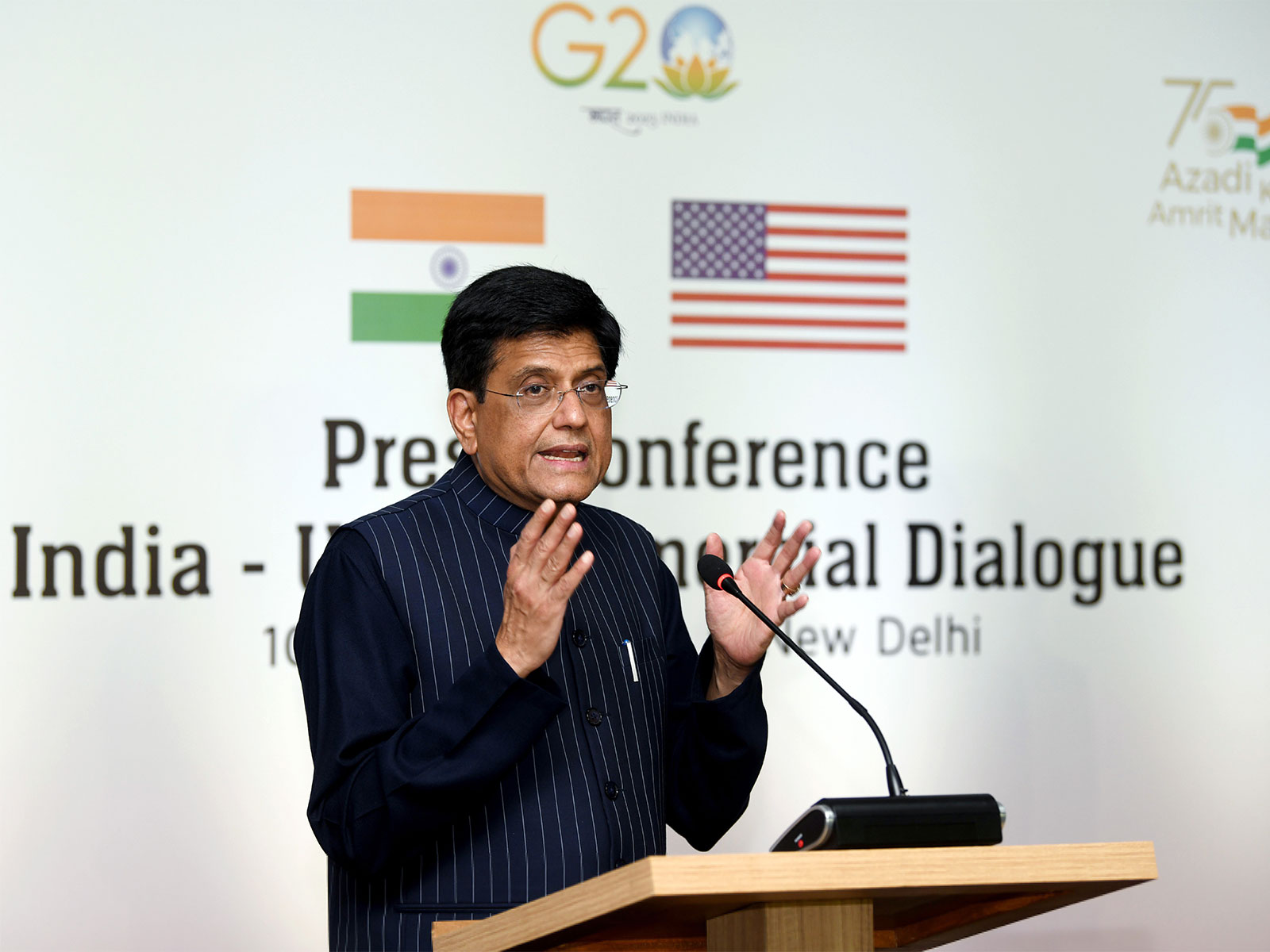
In an era marked by shifting global supply chains, rising protectionism, and the urgent need for resilient economic partnerships, Union Minister of Commerce and Industry Piyush Goyal's upcoming visit to the United States represents far more than a routine diplomatic engagement. It signals India's determined push to position itself as a pivotal player in the reshaping of global trade architecture, and simultaneously, a critical juncture in the evolving India-US bilateral economic relationship.
The week-long official visit, scheduled from September 29 to October 5, 2026, will see Goyal participate in the G20 Trade Ministers' Meeting in Milwaukee, Wisconsin, engage with American industry leaders across multiple cities, and hold bilateral discussions that could shape the future of India-US trade for years to come.
According to an official statement issued by the Ministry of Commerce & Industry, the visit aims to pursue sustained economic cooperation, reflecting the view that progress across key sectors happens through partnering with different stakeholders.
This comprehensive analysis examines every dimension of this crucial visit — from the multilateral discussions at the G20 to the bilateral negotiations on the India-US Bilateral Trade Agreement, from engagements with Fortune 500 CEOs to interactions with the Indian diaspora, and from the economic significance of Milwaukee and Chicago to the financial opportunities in New York.
Part One: The G20 Trade Ministers' Meeting — Context and Significance
1.1 Understanding the G20 and Its Trade Agenda
The Group of Twenty (G20) represents the world's major economies, accounting for approximately 85% of global GDP, over 75% of global trade, and about two-thirds of the world's population. The G20 Trade Ministers' Meeting is a critical forum where trade ministers from member economies convene to deliberate on international commerce priorities, address pressing challenges, and chart a course for the global trading system.
The 2026 G20 Trade Ministers' Meeting, scheduled for September 30 and October 1 in Milwaukee, Wisconsin, comes at a particularly consequential moment in global economic history. The world is still grappling with the aftereffects of the COVID-19 pandemic, which exposed the fragility of global supply chains.
Geopolitical tensions, particularly the ongoing conflict in Ukraine and rising tensions in the Middle East, have further disrupted trade flows and energy markets. Simultaneously, the rapid advancement of artificial intelligence, digital technologies, and the green energy transition are fundamentally transforming the nature of international commerce.
Against this backdrop, the G20 Trade Ministers' Meeting serves as a vital platform for addressing several critical issues:
- Supply Chain Resilience: The pandemic demonstrated that over-reliance on single-source supply chains creates systemic vulnerabilities. G20 members are exploring ways to diversify supply chains, build redundancy, and enhance resilience without resorting to protectionism.
- Digital Trade and E-Commerce: The digital economy is growing at an unprecedented pace, and the rules governing cross-border data flows, digital services taxation, and e-commerce are still being developed.
- Climate and Trade: The intersection of climate policy and trade is becoming increasingly important. Carbon border adjustments, green subsidies, and sustainable trade practices are reshaping global commerce.
- Inclusive Trade: There is growing recognition that the benefits of global trade have not been evenly distributed.
- WTO Reform: The World Trade Organization requires urgent reform. Its dispute settlement mechanism has been paralyzed, and its rule-making functions have struggled to keep pace.
1.2 India's Strategic Approach to the G20
India has consistently approached the G20 with a focus on institutional governance and equitable market access across global supply chains. This approach reflects India's dual identity as both a major emerging economy and a responsible global stakeholder.
The statement outlined New Delhi's stance: "India will work towards a rules-based, open, inclusive, transparent, equitable and non-discriminatory multilateral trading system, with the World Trade Organization at its core, while ensuring adequate policy space for developing countries."
This position encapsulates several key Indian priorities:
- Rules-Based System: India emphasizes the importance of a rules-based trading system.
- Openness and Inclusivity: India advocates for a trading system that is open to all.
- Transparency: India calls for transparency in trade policies and negotiations.
- Equity: India emphasizes the importance of equity in global trade.
- Non-Discrimination: India opposes discriminatory trade practices.
- Policy Space for Developing Countries: India emphasizes the need for adequate policy space for developing countries.
1.3 Key Issues on the 2026 G20 Trade Agenda
The 2026 G20 Trade Ministers' Meeting in Milwaukee will address a range of pressing issues. Based on the evolving global trade landscape and India's stated priorities, key agenda items are likely to include:
- Supply Chain Diversification and Resilience
- Digital Trade Rules
- Green Trade and Sustainability
- WTO Reform
- MSMEs and Inclusive Trade
- Agricultural Trade and Food Security
Part Two: The India-US Bilateral Trade Agreement — A New Chapter
2.1 Background and Context
One of the most significant aspects of Piyush Goyal's visit is the opportunity to advance negotiations on the India-US Bilateral Trade Agreement. This agreement, when finalized, will have far-reaching implications for trade and investment flows between the world's largest and fifth-largest economies.
Bilateral trade in goods and services exceeded $190 billion in 2025, making the United States one of India's largest trading partners. However, there is widespread recognition that the potential of this relationship is far from fully realized.
The Joint Statement signed on February 7, 2026, laid the groundwork for the current negotiations. This statement outlined a shared vision for enhanced economic cooperation and committed both countries to working towards a balanced and mutually beneficial trade agreement.
2.2 Key Areas of Negotiation
The India-US Bilateral Trade Agreement negotiations cover a wide range of issues:
- Tariffs and Market Access: The United States has expressed concerns about India's tariff levels, particularly on agricultural products, automobiles, and certain manufactured goods.
- Agriculture: Agriculture is one of the most sensitive areas in India-US trade negotiations.
- Digital Trade and Data Flows: The United States has advocated for free cross-border data flows and opposes data localization requirements.
- Intellectual Property Rights: The United States has expressed concerns about India's IPR regime, particularly in the pharmaceutical and software sectors.
- Services Trade: India is a major exporter of IT services, professional services, and business process outsourcing services to the United States.
- Investment: The United States is one of the largest investors in India, and Indian companies have increasingly invested in the United States.
2.3 The Interim Deal: A Stepping Stone
Given the complexity of the issues involved, a comprehensive India-US Bilateral Trade Agreement may take time to negotiate. In the meantime, both countries are working towards an interim deal that would provide early benefits and build momentum for the broader agreement.
The interim deal, in alignment with the Joint Statement signed on February 7, 2026, is expected to focus on areas where there is broad consensus and where early progress can be achieved.
Part Three: Engaging with American Industry and Investors
3.1 Milwaukee and Chicago: Heartland of American Industry
Piyush Goyal's itinerary includes engagements in Milwaukee and Chicago, two cities that are emblematic of America's industrial heartland. These cities offer valuable opportunities for India to deepen its economic engagement with the United States.
Milwaukee, Wisconsin: Milwaukee is a major industrial and commercial center in the Midwest, known for its manufacturing heritage, particularly in machinery, engines, and brewing. In recent years, Milwaukee has also emerged as a hub for technology and innovation.
Chicago, Illinois: Chicago is one of the largest and most diverse economies in the United States. It is a global hub for finance, transportation, logistics, manufacturing, and technology. Chicago is also home to a large and vibrant Indian-American community.
3.2 Highlighting India's Commercial Opportunities
During his engagements in Milwaukee and Chicago, Goyal will highlight the commercial opportunities India presents as an expanding manufacturing base and preferred investment destination. Key messages will include:
- India's Large and Growing Market: India is home to over 1.4 billion people and has one of the fastest-growing major economies in the world.
- India's Skilled Workforce: India has a large and skilled workforce, particularly in engineering, IT, and management.
- India's Manufacturing Capabilities: India has developed significant manufacturing capabilities in automobiles, pharmaceuticals, electronics, and textiles.
- India's Reform Agenda: The Indian government has implemented a series of economic reforms aimed at improving the ease of doing business.
- India's Digital Infrastructure: India has built a robust digital infrastructure, including UPI and Aadhaar.
Part Four: The Indian Diaspora and Cultural Diplomacy
4.1 The Indian-American Community: A Bridge Between Nations
The Indian-American community is one of the most successful and influential diaspora communities in the United States. With a population of over 4.5 million, Indian-Americans have made significant contributions to American society, economy, and culture.
During his visit to Chicago, Goyal will interact with professional organizations representing the Indian diaspora community. These interactions will provide an opportunity to acknowledge the contributions of Indian-Americans and encourage them to invest in and engage with India.
4.2 Gandhi Jayanti and Swami Vivekananda: Symbols of India's Spiritual Heritage
Goyal's visit coincides with Gandhi Jayanti, the birthday of Mahatma Gandhi, which is celebrated on October 2. In Chicago, Goyal will pay floral tributes to Mahatma Gandhi, honoring his legacy and reaffirming India's commitment to the values he championed. He will also pay homage to Swami Vivekananda, whose historic speech at the Parliament of the World's Religions in Chicago in 1893 is remembered as a defining moment in India's cultural engagement with the West.
Part Five: New York — Financial and Investment Hub
5.1 New York's Significance for India-US Economic Relations
New York City is the financial capital of the world and a global hub for finance, investment, media, and technology. For India, New York holds special significance. Many Indian companies are listed on US stock exchanges, and Indian financial institutions have a significant presence in New York.
5.2 Attracting Foreign Direct Investment
Foreign direct investment (FDI) is a critical driver of economic growth and development. India has been working to attract greater FDI by improving its investment climate. Key sectors for investment include:
- Infrastructure: India needs massive investments in roads, railways, ports, airports, and urban infrastructure.
- Manufacturing: India's manufacturing sector is growing rapidly, driven by domestic demand and export opportunities.
- Technology: India's technology sector is booming, with a vibrant startup ecosystem and a large pool of skilled workers.
- Renewable Energy: India has set ambitious targets for renewable energy, aiming to install 500 GW of non-fossil fuel capacity by 2030.
- Healthcare and Pharmaceuticals: India's healthcare and pharmaceutical sectors are growing rapidly.
Part Six: The Road Ahead — Challenges and Opportunities
6.1 Challenges in India-US Trade Relations
While the India-US economic relationship has enormous potential, it also faces significant challenges:
- Tariff and Trade Barriers: Tariffs and non-tariff barriers remain a significant impediment to India-US trade.
- Intellectual Property Rights: IPR remains a contentious issue, with the US placing India on its Priority Watch List.
- Data Localization and Digital Trade: Data localization requirements are a source of tension.
- Agricultural Subsidies: Agriculture remains a sensitive issue in trade negotiations.
- Immigration and Professional Mobility: Immigration policies affect India-US economic relations.
- Regulatory and Tax Issues: Regulatory uncertainty and tax issues have been sources of concern for American investors.
6.2 Opportunities for Enhanced Cooperation
Despite the challenges, there are enormous opportunities for enhanced India-US cooperation:
- Complementary Economies: India and the United States have complementary economies.
- Shared Democratic Values: Both countries share a commitment to freedom, pluralism, and the rule of law.
- Strategic Convergence: Both countries have converging strategic interests in the Indo-Pacific region.
- Technology and Innovation: Both countries are leaders in technology and innovation.
- Supply Chain Diversification: India is well-positioned to benefit from supply chain diversification.
- Climate and Clean Energy: Both countries can collaborate on climate and clean energy.
Part Seven: The Significance of Goyal's Visit
7.1 Economic Significance
Piyush Goyal's visit has significant economic implications for both countries. For India, the visit is an opportunity to attract American investment, access American markets, and learn from American expertise.
7.2 Strategic Significance
Beyond economics, Goyal's visit has strategic significance. India and the United States are natural partners in the Indo-Pacific region and beyond.
7.3 Diplomatic Significance
The visit demonstrates India's commitment to multilateralism and its willingness to engage constructively with the international community.
7.4 Symbolic Significance
Goyal's visit underscores the importance that India attaches to its relationship with the United States.
Conclusion: A Vision for the Future
Piyush Goyal's visit to the United States represents a significant moment in India's economic diplomacy. It reflects India's determination to engage constructively with the international community, advance its economic interests, and strengthen its partnership with the United States.
The G20 Trade Ministers' Meeting provides a platform for India to articulate its vision for a rules-based, open, inclusive, transparent, equitable, and non-discriminatory multilateral trading system.
The India-US Bilateral Trade Agreement negotiations offer an opportunity to deepen one of the world's most important economic relationships.
As Goyal embarks on this important visit, the eyes of the world will be on Milwaukee, Chicago, and New York. The outcomes of this visit will have far-reaching implications for India, the United States, and the global economy.
The future is bright. The potential is limitless. And the journey has just begun.
Frequently Asked Questions (FAQs)
Q1. When is Piyush Goyal visiting the United States?
Piyush Goyal will visit the United States from September 29 to October 5, 2026.
Q2. What is the purpose of Piyush Goyal's US visit?
He will attend the G20 Trade Ministers' Meeting in Milwaukee, engage with American industry leaders, and hold bilateral discussions on the India-US Bilateral Trade Agreement.
Q3. Where will the G20 Trade Ministers' Meeting 2026 be held?
The G20 Trade Ministers' Meeting 2026 will be held in Milwaukee, Wisconsin, USA, on September 30 and October 1, 2026.
Q4. What is India's stance at the G20 Trade Ministers' Meeting?
India will work towards a rules-based, open, inclusive, transparent, equitable and non-discriminatory multilateral trading system, with the WTO at its core, while ensuring adequate policy space for developing countries.
Q5. What is the India-US Bilateral Trade Agreement?
The India-US Bilateral Trade Agreement is a proposed comprehensive trade deal aimed at enhancing economic cooperation, reducing tariffs, and facilitating investment between the two countries.
Categories: Business News, India US Relations, G20 Summit 2026, Piyush Goyal, Trade Agreement, Economic Cooperation, International Trade, Indian Diaspora, Foreign Policy, Current Affairs



0 टिप्पणियाँ