
Child and Forced Marriages of Minority Girls in Pakistan Raised at UNHRC Side Event in Geneva
Human rights defenders and activists highlight the alarming scale of child and forced marriages affecting minority girls in Pakistan at the 63rd session of the United Nations Human Rights Council in Geneva. UNICEF data reveals 90 million women and girls affected by child rights violations.
By Current Affairs Viva Desk | Updated: September 28, 2026 | Reading Time: ~8 minutes
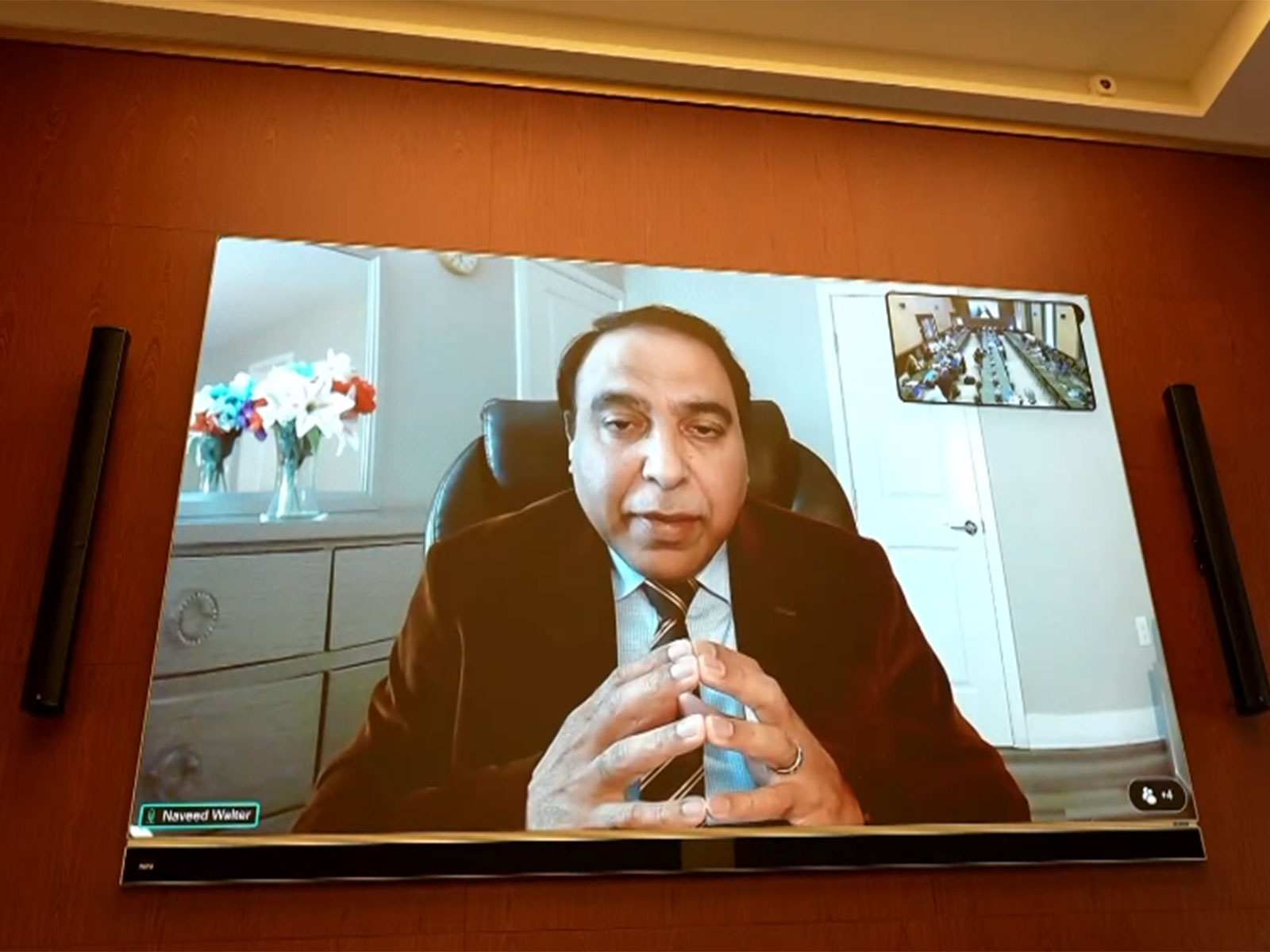
Human rights defender and President of Human Rights Focus Pakistan, Naveed Walter. (Photo: GHRTV World News)
Introduction
Geneva, Switzerland: Forced and child marriages involving girls from minority communities in Pakistan came under scrutiny at a side event held during the 63rd session of the United Nations Human Rights Council in Geneva. Speakers at the event highlighted concerns over their impact on the rights, education, health, and dignity of girls.
The event was organized by Global Human Rights Defence, a UN ECOSOC-accredited human rights organization. Human rights defenders and activists used the platform to draw international attention to the alarming scale of child and forced marriages in Pakistan and their devastating consequences for young girls.
Key Statements from Human Rights Defenders
Naveed Walter Highlights UNICEF Data
Human rights defender and President of Human Rights Focus Pakistan, Naveed Walter, highlighted the challenges faced by children affected by child rights violations, particularly those entering marriage at a young age.
"Most recently, UNICEF gave the data about Pakistan. Ninety million women and children and girls have been affected by child rights violations. And of them, 4.8 million were under 15 years of age."
Walter further said that child marriage has serious consequences for girls, including its impact on education and health.
"You know, dear excellencies and dear audience, that during pregnancy, millions of children have died. And you know, under 30 per cent of the children who get married even have basic education."
Situation in Sindh Province: A Closer Look
Sindhi women's rights activist Dr. Shagufta Kandhro highlighted the situation in Sindh, drawing attention to the vulnerabilities faced by girls married at a young age and the consequences for their health and future.
"According to the National Commission on the Rights of the Child, 84,000 children between the ages of 10 and 17 are married, widowed and separated. Many of them have already left school, and many face serious health risks."
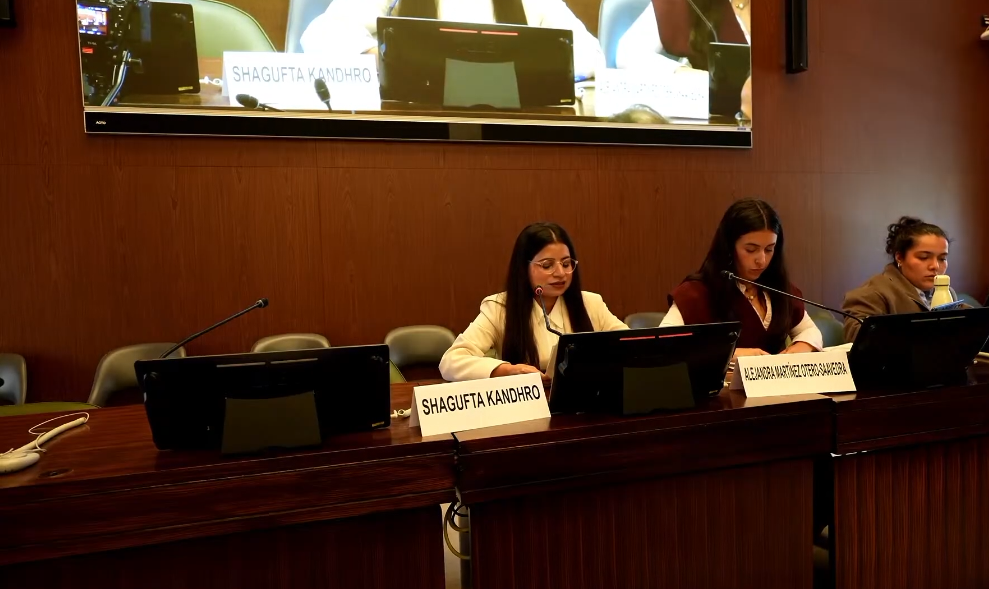
Key statistics on child marriages and health risks for girls in Pakistan.
Alarming Statistics from Sindh
Dr. Kandhro presented a series of alarming statistics highlighting the scale of the problem in Sindh province:
- 21% of young women in Sindh had been married before the age of 18 — more than one in five.
- 61,000 pregnancies among girls aged 15 to 19 occur annually in Pakistan.
- Only 44% of pregnant girls in that age group receive four or more antenatal visits.
- 61.9% of girls in Sindh are anaemic — the highest rate among all provinces in Pakistan.
Devastating Impact on Education and Health
The speakers at the UNHRC side event emphasized the multifaceted harm caused by child and forced marriages. The consequences extend far beyond the immediate violation of rights, affecting every aspect of a girl's life:
Impact on Education
Child marriage almost invariably ends a girl's education. According to the data presented, fewer than 30 percent of children who get married have even basic education. Once married, girls are typically expected to take on household responsibilities and raise children, leaving no time or opportunity for schooling.
Impact on Health
The health consequences are severe and often life-threatening. Early pregnancy poses significant risks to both mother and child, including complications during childbirth, maternal mortality, and long-term health issues. The high rates of anaemia among girls in Sindh further compound these risks.
Impact on Future Opportunities
Girls who marry young are deprived of the opportunity to develop skills, pursue careers, and achieve economic independence. This perpetuates a cycle of poverty and dependence, affecting not only the girls themselves but also their children and communities.
Calls for International Action
The speakers at the UNHRC side event called for stronger protection of women and children and greater international action against child and forced marriage as a form of gender-based violence.
They urged the international community to:
- Recognize child marriage as a human rights violation and a form of gender-based violence.
- Strengthen legal frameworks to prevent child marriage and hold perpetrators accountable.
- Increase funding for programs that protect girls and support their education and health.
- Engage with local communities to change attitudes and practices that perpetuate child marriage.
- Support survivors with access to healthcare, education, and economic opportunities.
What is the UNHRC and Why Does This Matter?
The United Nations Human Rights Council (UNHRC) is an inter-governmental body within the United Nations system responsible for strengthening the promotion and protection of human rights around the globe. The 63rd session brings together representatives from member states, human rights organizations, and civil society to discuss pressing human rights issues.
Side events like the one organized by Global Human Rights Defence provide an important platform for raising awareness about issues that might not otherwise receive sufficient attention. They allow human rights defenders to present evidence, share testimonies, and advocate for action.
The fact that child and forced marriages in Pakistan were raised at this level signals growing international concern about the issue and puts pressure on authorities to take meaningful action.
About the Organizations Involved
Global Human Rights Defence
Global Human Rights Defence is a UN ECOSOC-accredited human rights organization that works to promote and protect human rights worldwide. The organization focuses on issues such as minority rights, women's rights, and freedom of religion or belief.
Human Rights Focus Pakistan
Human Rights Focus Pakistan is a human rights organization dedicated to documenting and addressing human rights violations in Pakistan, with a particular focus on the rights of minorities and vulnerable communities.
Conclusion
The UNHRC side event on child and forced marriages in Pakistan has brought much-needed international attention to a crisis that affects millions of girls. The statistics presented — 90 million women and girls affected by child rights violations, 4.8 million under the age of 15, 84,000 children married, widowed, or separated in Sindh alone — paint a stark picture of the scale of the problem.
The speakers called for stronger protection of women and children and greater international action against child and forced marriage as a form of gender-based violence. Their message was clear: the international community must do more to protect the most vulnerable and ensure that every girl has the right to childhood, education, and a future of her own choosing.
(With inputs from ANI)
Frequently Asked Questions (FAQs)
Q1. What was discussed at the UNHRC side event on Pakistan?
The side event discussed forced and child marriages involving girls from minority communities in Pakistan, highlighting their impact on rights, education, health, and dignity.
Q2. What did UNICEF reveal about child rights violations in Pakistan?
According to UNICEF data presented at the event, 90 million women and children in Pakistan have been affected by child rights violations, including 4.8 million under the age of 15.
Q3. What is the situation of child marriage in Sindh?
In Sindh, 21% of young women were married before the age of 18. There are 84,000 children between ages 10-17 who are married, widowed, or separated. Additionally, 61.9% of girls in Sindh are anaemic.
Q4. Who organized the UNHRC side event?
The side event was organized by Global Human Rights Defence, a UN ECOSOC-accredited human rights organization, during the 63rd session of the UN Human Rights Council in Geneva.
Q5. What action are human rights defenders demanding?
Human rights defenders are calling for stronger protection of women and children, greater international action against child and forced marriage as a form of gender-based violence, and accountability for perpetrators.
World News, Pakistan, Human Rights, Child Marriage, Forced Marriage, UNHRC, Geneva, Minorities, Women Rights, Current Affairs



0 टिप्पणियाँ