
Netanyahu Invites flydubai Hero Captain Smit Machchhar to Israel Independence Day: Full Story
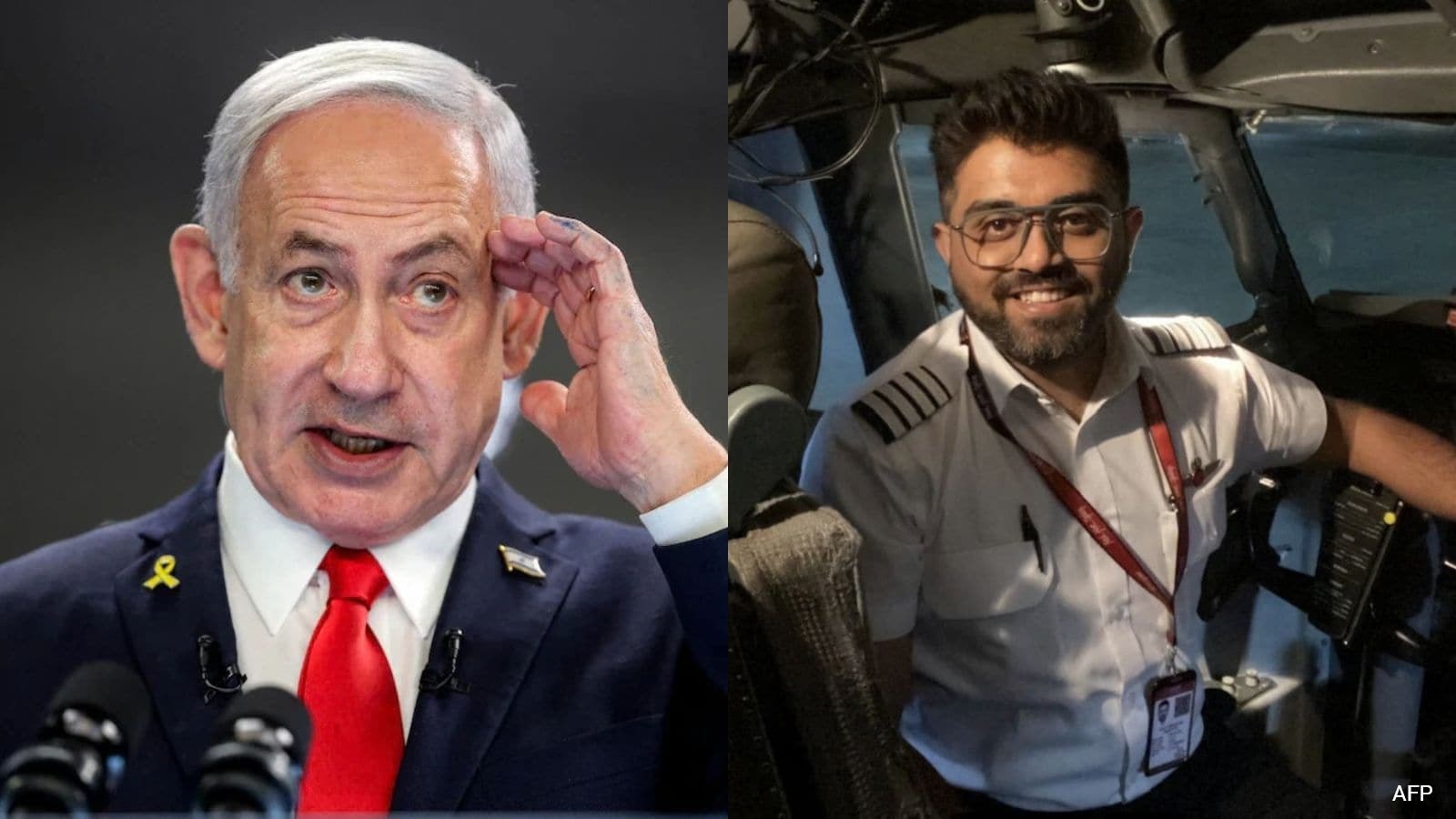
It was a phone call that turned a wounded pilot into a global symbol of courage. On Saturday, Israeli Prime Minister Benjamin Netanyahu dialled flydubai Captain Smit Machchhar and delivered three words that have since travelled across the world: "You are a hero."
But the call was about more than praise. Netanyahu extended a rare and extraordinary invitation — asking the Indian pilot to light a torch at Israel's Independence Day ceremony, the country's highest civilian honour, traditionally reserved for Israeli citizens.
Here is the full story behind the mid-air emergency that nearly ended in catastrophe — and the man who refused to let it happen.
🔗 Quick Links: Follow the Story
Stay updated on this developing story and access related resources below.
🔑 Key Facts at a Glance
1. The Phone Call: "You Are a Hero"
The call came on Saturday, October 3, 2026. Netanyahu, speaking from Jerusalem, described the moment he first learned of the attack on flight FZ1073 — and how close the world came to a disaster that would have echoed for decades.
His words to Captain Machchhar were simple, but heavy with meaning:
"You are a hero for Israel, India and the entire world."
Then came the invitation. Netanyahu asked the Indian pilot to come to Israel and participate in the country's Independence Day torch-lighting ceremony — an honour typically reserved for Israeli citizens who have made extraordinary contributions to the nation. He also extended the invitation to India's Prime Minister, Narendra Modi.
"It's usually reserved for Israeli citizens, but I think here in this case, all the citizens of Israel will embrace you."
Netanyahu's admiration was not limited to the cockpit. Speaking earlier in the week, he said the injured pilot, passengers, and crew had together "managed to prevent a 9/11 disaster."
2. What Happened on Flight FZ1073
On September 30, 2026, flydubai flight FZ1073 took off from Dubai bound for Tel Aviv. It carried passengers, crew, and two pilots — Captain Smit Machchhar and his co-pilot, later identified in media reports as Hamam al-Hammami, an Omani national.
Midway through the flight, the co-pilot is alleged to have left his seat, claiming he needed to pray. He then returned and, without warning, attacked Captain Machchhar from behind with an axe.
The assault was brutal and sustained. Machchhar later said he initially thought something was wrong with the aircraft itself, but quickly realised the danger was coming from the man beside him.
As the attack continued, the aircraft began to descend. In just over two minutes, the plane dropped more than 17,000 feet — a dramatic loss of altitude that would have triggered panic in the cabin and sent the aircraft's automated systems into alarm. A hijacking distress signal was transmitted to air traffic control.
With his vision blurred and his body failing, Captain Machchhar made a decision that saved every person on board: he unlocked the cockpit door.
Passengers and crew rushed in, overpowered the attacker, and restrained him. The aircraft was stabilised, and the flight was able to proceed safely to its destination.
3. Captain Machchhar's Own Account
In his conversation with Netanyahu, Captain Machchhar gave a chilling, step-by-step account of what happened inside the cockpit.
"The blow kept coming one after the other. And that's when I realised that it's not the aircraft, it's the other guy who was in the cockpit with me. I did try to stop him, but because of his initial blows, my vision was almost like nothing."
He described how the attacker had closed the cockpit door when Machchhar first tried to open it.
"I had that one last fight left in me — that if I don't do it, I'm going to die. And that's when I pushed against everything. I gave everything that I had and just went for the door and opened it."
Netanyahu, listening on the other end, was visibly moved.
"Frankly, I'm amazed at your courage, at your coolness of judgment under impossible conditions. You saved so many lives."
He added: "Please also pass the best regards from me and my wife to your wife. I know you have a family, and that you're part of the family of nations. Please get well as soon as you can."
4. The Attacker: Who Was Hamam al-Hammami?
The co-pilot accused of the attack, Hamam al-Hammami, is reported to be an Omani national. Details about his background remain limited, but reports have pointed to a "mysterious" chapter in Syria and questions about how he passed airline screening.
The incident has sparked uncomfortable questions for aviation authorities:
- How did someone with possible extremist sympathies get access to a cockpit?
- What mental health and background screening processes are in place for pilots?
- Should co-pilots have the same level of scrutiny as captains?
- What security measures can prevent another mid-air attack?
Investigations are ongoing, and authorities in the UAE, Israel, and Oman are cooperating to determine the motive and whether any wider network was involved.
5. Why the Torch-Lighting Invitation Matters
Israel's Independence Day torch-lighting ceremony is a sacred, deeply symbolic event. Held each year at Mount Herzl in Jerusalem, it marks the transition from Memorial Day to Independence Day — a moment of national reflection followed by celebration.
Twelve torches are lit, each representing a different facet of Israeli society and achievement. The honour is traditionally reserved for Israeli citizens who have made extraordinary contributions to the nation.
For Netanyahu to invite an Indian pilot — a foreign national — to light a torch is unprecedented. It signals several things:
- Deep gratitude: Israel sees Captain Machchhar's actions as directly saving Israeli lives.
- A diplomatic gesture: The invitation to PM Modi underlines the growing strategic and people-to-people ties between India and Israel.
- A global message: It positions the incident as a moment of shared humanity, not just a bilateral event.
- Recognition of courage: It honours an individual act of heroism above politics.
6. World Reaction: From Dubai to Delhi
Reaction to Captain Machchhar's heroism has been swift and widespread.
In the UAE
Dubai's Crown Prince, Sheikh Hamdan bin Mohammed, visited Captain Machchhar in hospital, a gesture that reflected the UAE's appreciation for his actions aboard a Dubai-based airline.
In India
News of the incident triggered an outpouring of national pride. Captain Machchhar has been described as a son of India who acted with courage on the world stage. Social media users have called for a civilian honour, and some have even suggested naming a road or award after him.
In Israel
Netanyahu's comments reflect how the country views the attack: not just as a near-miss, but as an attempted act of terrorism that was prevented by a pilot's split-second decision.
Globally
Aviation experts have praised the incident as a case study in crew resource management, passenger cooperation, and cockpit security. Airlines from the US to Singapore have reportedly updated internal briefings on the event.
7. Aviation Safety Lessons From This Incident
While the world applauds Captain Machchhar, the incident also raises serious questions about aviation safety — questions every frequent flyer should understand.
What Worked
- Cockpit door design: The ability to unlock the door from inside saved the flight.
- Passenger response: Ordinary travellers and crew reacted quickly and decisively.
- Pilot resilience: Captain Machchhar's refusal to give up made the difference.
What Needs Improvement
- Crew vetting: Background checks for co-pilots and junior crew need to be as rigorous as for captains.
- Mental health support: Airlines must invest in regular psychological evaluations for pilots.
- In-flight communication: Passengers should be trained or briefed on how to react in emergencies.
- International coordination: Countries need shared protocols for investigating and preventing mid-air attacks.
8. Why Travel Insurance Is a Lifesaver
The flydubai incident is a stark reminder that air travel — while statistically one of the safest forms of transport — still carries unpredictable risks. Whether it's a medical emergency, a security incident, or a flight disruption, having the right insurance makes all the difference.
What a Good Travel Insurance Plan Should Cover
- Medical emergencies: Hospitalisation, surgery, and evacuation.
- Trip cancellation and delay: Compensation for lost bookings and delayed flights.
- Lost baggage: Reimbursement for lost or damaged luggage.
- Personal accident cover: Financial protection in case of injury or death.
- Emergency assistance: 24/7 helplines and on-ground support.
Beyond Travel Insurance: Term and Life Insurance
For anyone who travels regularly — especially pilots, crew, and business travellers — a term insurance plan is essential. It ensures your family is financially protected if the worst happens. Term plans in India start at very affordable premiums and are one of the best financial safety nets you can buy.
9. Frequently Asked Questions
Captain Smit Machchhar is a flydubai pilot who was attacked with an axe by his co-pilot during flight FZ1073 from Dubai to Tel Aviv on September 30, 2026. He unlocked the cockpit door, enabling passengers to subdue the attacker and save every life on board.
Netanyahu told Captain Machchhar, "You are a hero for Israel, India and the entire world," and invited him to light a torch at Israel's Independence Day ceremony — the highest civilian honour Israel gives.
The co-pilot, identified as Hamam al-Hammami, allegedly attacked Captain Machchhar with an axe inside the cockpit. The plane lost over 17,000 feet of altitude in two minutes. Machchhar unlocked the cockpit door, and passengers subdued the attacker.
Yes. Captain Smit Machchhar is Indian, and his actions have been celebrated across India and around the world. Prime Minister Narendra Modi has also been invited to Israel's Independence Day ceremony alongside him.
It is Israel's highest civilian honour on Independence Day, usually reserved for Israeli citizens. Inviting a foreign pilot is an extraordinary gesture of recognition.
Travel insurance covers medical emergencies, trip cancellations, lost baggage, and unexpected disruptions. Given unpredictable aviation incidents, it is essential for any frequent flyer.
The incident highlights the importance of cockpit security, crew vetting, mental health screening, and passenger cooperation during emergencies. It also underscores the value of international cooperation in aviation security.
10. Final Thoughts: A Hero the World Won't Forget
In the space of a few minutes, thousands of feet above the ground, Captain Smit Machchhar faced a decision no pilot ever expects to make. Injured, disoriented, and fighting for his life, he chose to open the cockpit door — and in doing so, saved everyone on board.
Netanyahu's phone call, the torch-lighting invitation, and the global outpouring of admiration are all a recognition of that one moment. But they are also a reminder of something larger: that courage is not the absence of fear, but the refusal to surrender to it.
For India, Captain Machchhar's story is a source of immense pride. For Israel, it is a debt of gratitude. For the world, it is a lesson in what a single person can do when everything is on the line.



0 टिप्पणियाँ