
Iran Files "Formal Protest" With UN Aviation Watchdog ICAO Over US Flight Sanctions
Iran's Civil Aviation Organization has filed a formal protest with the International Civil Aviation Organization (ICAO) against US-imposed restrictions on Iranian aviation, as Tehran pursues diplomatic and legal measures to restore suspended flight routes.
By Current Affairs Viva Desk | Updated: September 28, 2026 | Reading Time: ~7 minutes
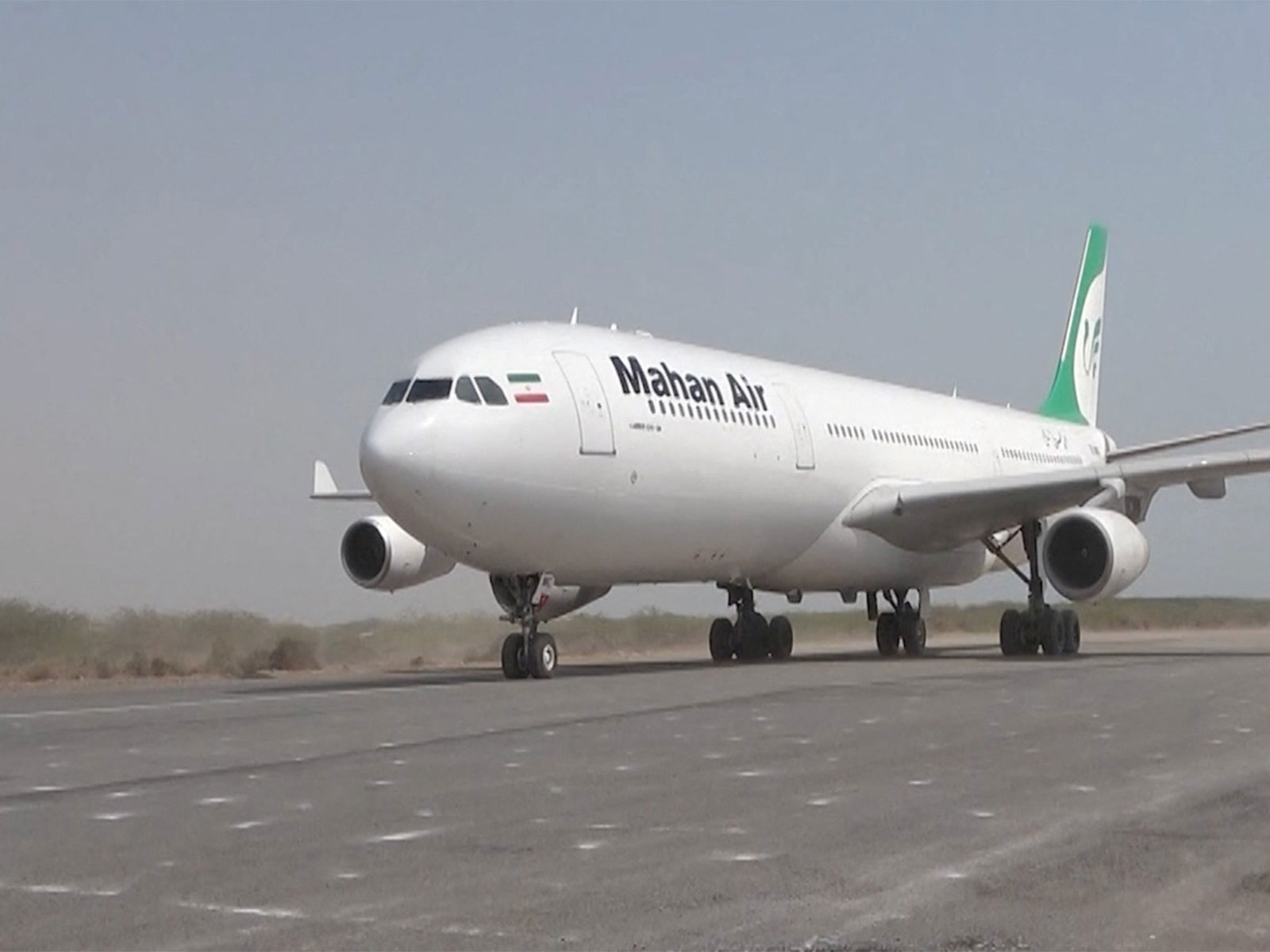
Iran files formal protest with ICAO over US-imposed aviation restrictions. (Photo: ANI)
Introduction
Tehran, Iran: Iran's Civil Aviation Organization has filed a formal protest with the United Nations aviation watchdog, the International Civil Aviation Organization (ICAO), against restrictions imposed by the United States on Iranian aviation, as Tehran pursues diplomatic and legal measures to restore suspended flight routes.
The move marks a significant escalation in Iran's efforts to challenge US-imposed aviation sanctions through international legal channels. By approaching ICAO — the UN body responsible for regulating international civil aviation — Tehran is seeking to internationalize its grievance and pressure Washington to lift restrictions that have severely curtailed Iranian airline operations.
The restrictions have affected Iran's ability to operate international flights, secure aircraft parts, and maintain its aging civilian fleet, creating significant hardship for Iranian travelers and the country's aviation industry.
Background: US Sanctions on Iranian Aviation
The United States has maintained comprehensive sanctions on Iran's aviation sector for years, citing concerns over the country's nuclear program, ballistic missile development, and support for regional proxy groups. These sanctions have had wide-ranging effects on Iranian civil aviation:
- Aircraft Procurement: Iranian airlines have been unable to purchase new Boeing or Airbus aircraft, forcing them to rely on an aging fleet that is increasingly difficult to maintain.
- Spare Parts: Restrictions on the export of spare parts and components have made it challenging for Iranian airlines to keep their aircraft airworthy and safe.
- International Routes: Several international carriers have suspended or reduced flights to Iran due to sanctions-related complications.
- Financial Transactions: Iranian airlines face difficulties in processing payments for fuel, landing fees, and other operational costs at foreign airports.
- Insurance: Obtaining adequate insurance coverage for Iranian flights has become increasingly difficult and expensive.
Iran has long argued that these restrictions violate international civil aviation agreements and endanger passenger safety by forcing the country to operate aging aircraft with limited access to proper maintenance.
What is ICAO and Why It Matters
The International Civil Aviation Organization (ICAO) is a specialized agency of the United Nations that sets global standards for aviation safety, security, efficiency, and environmental protection. Established in 1944 under the Chicago Convention, ICAO has 193 member states and serves as the primary forum for international civil aviation cooperation.
ICAO's key functions include:
- Setting Standards: Developing international standards and recommended practices for aviation safety and security
- Facilitating Cooperation: Providing a platform for member states to discuss and resolve aviation-related disputes
- Technical Assistance: Helping developing countries improve their aviation infrastructure and capabilities
- Dispute Resolution: Offering mechanisms for resolving disagreements between member states on aviation matters
By filing a formal protest with ICAO, Iran is invoking the organization's authority to address what it views as violations of international aviation norms. This approach allows Tehran to raise its concerns in a multilateral forum rather than engaging in bilateral negotiations with Washington, which have historically been difficult.
Iran's Arguments Against the Sanctions
Iran's formal protest to ICAO is likely to rest on several key arguments:
1. Violation of International Aviation Agreements
Iran argues that US sanctions violate the Chicago Convention and other international agreements that guarantee the freedom of civil aviation and prohibit discriminatory treatment of airlines based on nationality. By preventing Iranian airlines from accessing global markets for aircraft and parts, the US is seen as undermining the principles of international civil aviation.
2. Safety Concerns for Passengers
Iranian officials have repeatedly raised concerns that the sanctions force the country to operate aging aircraft with inadequate maintenance, potentially endangering passenger safety. They argue that safety in international aviation should be a non-political matter and that the sanctions create unacceptable risks for Iranian travelers.
3. Humanitarian Impact
Iran contends that the aviation sanctions have a humanitarian dimension, limiting the ability of ordinary Iranians to travel abroad for medical treatment, education, and family reunification. The restrictions also affect the transport of humanitarian aid and medical supplies.
4. Extraterritorial Application of US Law
Iran objects to the extraterritorial application of US sanctions, which penalize third-country companies and individuals who engage in legitimate business with Iranian airlines. This, Iran argues, improperly extends US jurisdiction beyond its borders and violates the sovereignty of other nations.
Iran's Broader Diplomatic and Legal Strategy
The formal protest to ICAO is part of a broader Iranian strategy to use diplomatic and legal channels to challenge US sanctions. This strategy includes:
- Engaging Multilateral Organizations: Iran has approached various UN bodies and international organizations to raise its grievances about US sanctions, seeking to build international support for its position.
- Bilateral Diplomacy: Tehran has engaged with countries in Europe, Asia, and the Middle East to seek relief from sanctions and to strengthen aviation ties with nations willing to cooperate despite US pressure.
- Legal Actions: Iran has pursued cases in international courts and arbitration forums, arguing that US sanctions violate international law.
- Restoring Flight Routes: Iran is actively working to restore suspended flight routes with various countries, seeking to rebuild its international aviation connectivity.
- Domestic Advocacy: Iranian officials have highlighted the impact of sanctions on ordinary Iranians to build domestic support for the government's efforts to resist US pressure.
Regional Context: Escalating Middle East Tensions
The aviation dispute comes amid heightened tensions in the Middle East, with multiple flashpoints affecting regional stability:
- Strait of Hormuz: The strategic waterway remains a focal point of US-Iran tensions, with both sides engaged in military posturing and mutual accusations.
- Iran's Nuclear Program: Ongoing concerns about Iran's nuclear activities continue to drive US sanctions policy.
- Regional Proxy Conflicts: Iran's support for groups in Yemen, Lebanon, and the Palestinian territories remains a source of friction with the US and its allies.
- UNGA Diplomacy: The 81st session of the UN General Assembly has seen intense diplomatic activity, with Iranian and American officials trading accusations and proposals.
- Ceasefire Proposals: Iran has proposed a seven-day ceasefire plan and the reopening of the Strait of Hormuz, which was rejected by the US.
The aviation sanctions dispute is thus part of a much broader geopolitical confrontation that encompasses military, diplomatic, economic, and legal dimensions.
Implications of the ICAO Protest
Iran's decision to file a formal protest with ICAO carries several implications:
For Iran
- Demonstrates Iran's commitment to pursuing its grievances through international legal channels
- Raises the profile of the aviation sanctions issue in the international community
- May strengthen Iran's position in future negotiations with the US or other parties
- Signals to domestic audiences that the government is actively working to address their concerns
For the United States
- Puts additional pressure on Washington to justify its aviation sanctions on legal and humanitarian grounds
- May complicate US efforts to maintain international support for its broader Iran policy
- Creates a forum for Iran to air its grievances and potentially attract sympathy from other nations
For ICAO
- Tests the organization's ability to handle politically sensitive disputes between member states
- Raises questions about the relationship between international aviation standards and national security policies
- May require ICAO to clarify its position on the interaction between sanctions and civil aviation
For Global Aviation
- Highlights the growing intersection of geopolitics and civil aviation
- Raises concerns about the impact of sanctions on aviation safety and efficiency
- May encourage other countries to use ICAO as a forum for addressing aviation-related grievances
What Happens Next?
The formal protest to ICAO is likely to trigger a series of diplomatic and legal processes:
- Acknowledgment: ICAO will formally acknowledge receipt of Iran's protest and inform other member states, including the United States.
- Response from the US: The United States will have an opportunity to respond to Iran's claims, presenting its own justification for the aviation sanctions.
- Bilateral Discussions: ICAO may facilitate discussions between the two parties to seek a resolution or clarification of the issues raised.
- Council Consideration: If the dispute cannot be resolved bilaterally, it may be escalated to the ICAO Council for further consideration.
- International Attention: The protest is likely to attract media and diplomatic attention, raising the profile of the aviation sanctions issue.
- Possible Outcomes: Outcomes could range from a negotiated resolution to continued deadlock, depending on the willingness of both parties to engage constructively.
Conclusion
Iran's formal protest to the International Civil Aviation Organization against US-imposed aviation restrictions represents a significant escalation in the ongoing dispute between the two countries. By taking its case to the UN aviation watchdog, Tehran is seeking to internationalize its grievance and use multilateral channels to challenge US sanctions.
The outcome of this protest will depend on a complex interplay of legal arguments, diplomatic considerations, and geopolitical factors. What is clear is that the aviation sanctions dispute is deeply intertwined with broader US-Iran tensions, and any resolution will require sustained engagement and mutual willingness to compromise.
For now, the formal protest signals Iran's determination to pursue all available avenues — diplomatic, legal, and multilateral — to defend its aviation interests and press for the lifting of restrictions that it views as unjust and harmful to its citizens.
(With inputs from ANI)
Frequently Asked Questions (FAQs)
Q1. What is ICAO and why is Iran complaining to it?
ICAO (International Civil Aviation Organization) is a UN agency that sets global standards for aviation. Iran has filed a formal protest with ICAO against US-imposed aviation sanctions, arguing they violate international aviation agreements.
Q2. What are the US sanctions on Iranian aviation?
The US has imposed comprehensive sanctions on Iran's aviation sector, restricting aircraft procurement, spare parts, financial transactions, and international flight operations. These sanctions are related to broader US concerns about Iran's nuclear program and regional activities.
Q3. What does Iran hope to achieve through the ICAO protest?
Iran hopes to raise international awareness of the aviation sanctions issue, build support for its position, pressure the US to lift restrictions, and restore suspended flight routes.
Q4. How do the aviation sanctions affect ordinary Iranians?
The sanctions limit Iranians' ability to travel abroad for medical treatment, education, and family reasons. They also affect the safety of Iranian aircraft, as the country cannot easily access spare parts and maintenance services.
Q5. What happens after Iran's formal protest to ICAO?
ICAO will acknowledge the protest and inform member states. The US will have an opportunity to respond. If bilateral discussions fail, the dispute may be escalated to the ICAO Council for further consideration.
World News, Iran, United States, Aviation, ICAO, Middle East, Sanctions, International Relations, Diplomacy, Current Affairs



0 टिप्पणियाँ