
As Trump Rejects Iran's Peace Overture, Mojtaba Khamenei Says Ready to Bring 'Disgrace' to Enemies
With Washington rejecting Tehran's proposal linked to reopening the Strait of Hormuz, Iran's Supreme Leader Mojtaba Hosseini Khamenei has stressed widespread "armed readiness" across the Islamic Republic, saying Iranians remain united in preserving the strategically vital waterway.
By Current Affairs Viva Desk | Updated: September 28, 2026 | Reading Time: ~6 minutes
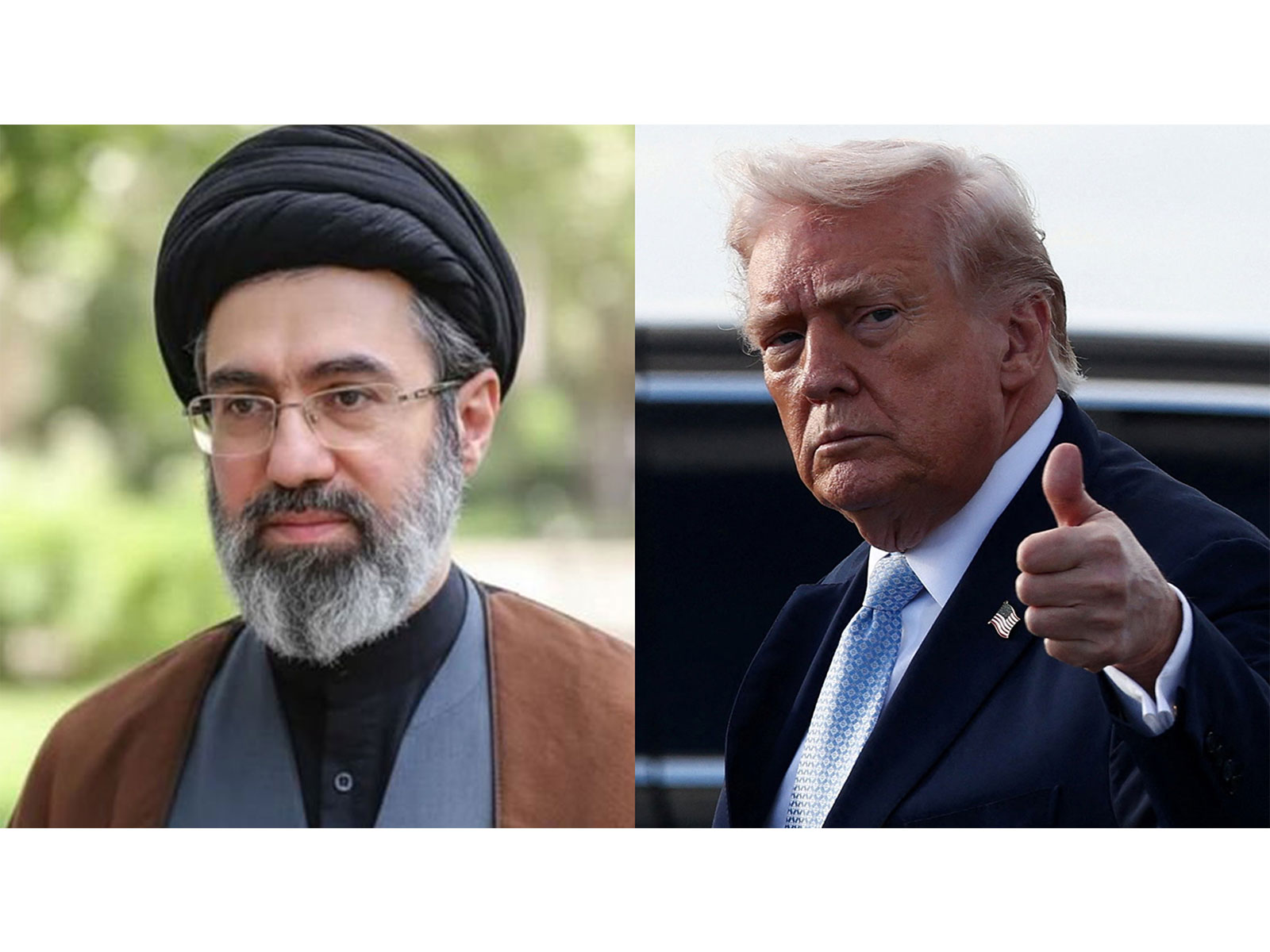
Iran's Supreme Leader Mojtaba Khamenei (Photo: X/@Rahbarenghelab_) and US President Donald Trump (File Photo/Reuters).
Introduction
Tehran: With Washington rejecting Tehran's proposal linked to reopening the Strait of Hormuz, Iran's Supreme Leader Mojtaba Hosseini Khamenei on Monday stressed the widespread "armed readiness" across the Islamic Republic and said Iranians remained united in preserving the strategically important waterway.
The Supreme Leader's remarks came in a message issued on the occasion of Iran's "Sacred Defense Week" and the anniversary of the death of Hezbollah leader Sayyid Hassan Nasrallah, who was killed in an Israeli airstrike on Hezbollah's main headquarters in Beirut's southern suburbs on September 28, 2024.
Khamenei's Message: "Armed Readiness" and Unity
Khamenei said Iran's armed forces and different sections of society were prepared to confront the country's adversaries.
"Presently, throughout Islamic Iran — adorned by the presence of diverse ethnicities — various declarations of readiness, particularly armed readiness, exist to construct an arena that will bring renown to them and disgrace to their enemy."
He also highlighted what he described as the Iranian forces' role in defending the Strait of Hormuz, saying enemy forces had suffered "painful blows" from Iranian fighters and guardians of the waterway.
"The two southern seas of Iran were the roaming grounds of enemy forces. Today, however, due to the painful blows they have received from the brave warriors and guardians of the Strait of Hormuz, they do not advance past the Arabian Sea. Whenever they have braved this danger, they have brought harm upon themselves — and soon, the Arabian Sea too will be cleared of them."
US Rejects Iran's Seven-Day Peace Proposal
His remarks come amid heightened tensions between Tehran and Washington over the Strait of Hormuz and Iran's nuclear programme, after US President Donald Trump rejected an Iranian proposal linked to reopening the key waterway.
Last week, on the sidelines of the 81st United Nations General Assembly, Iranian Foreign Minister Abbas Araghchi outlined a seven-day proposal under which Iran would reopen the Strait of Hormuz if certain conditions were met by Washington.
Iran said the proposal was conveyed through intermediaries and linked the reopening of the waterway to steps including an easing of US military pressure and other measures.
On Sunday, US Ambassador to the United Nations Mike Waltz said Trump rejected the proposal because Tehran had sought sanctions relief and access to "billions in frozen assets" before entering negotiations on its nuclear programme.
Waltz said the US would ultimately need to reach "some type of agreement" with Iran but that President Trump would keep all "options on the table".
Iran Disputes US Account, Ready for Diplomacy or War
Araghchi disputed Waltz's account of the proposal, saying the US ambassador had not seen the plan. He also said Iran remained ready for diplomacy while being prepared for renewed hostilities.
"We are fully prepared for the war to be resumed. We stand firm in the face of any new aggression, even if it comes to a doomsday war. We don't care about U.S. midterm elections. We care about our national interests. At the same time, we stand ready for diplomacy. It is up to President Trump to choose."
The Strait of Hormuz has remained a central point of contention in the confrontation, with Iran saying it is prepared to reopen the waterway as part of an agreement, while the US has rejected Tehran's latest proposal.
Historical Context and Public Mobilisation
Khamenei's remarks also invoked Iran's past confrontation with foreign powers, particularly the US, contrasting what he described as earlier attempts to weaken the country's social and political foundations with what he characterised as broader public mobilisation today.
"There were days when the hegemonists, through psychological operations and creating an atmosphere of intimidation, emptied the streets of the capital and launched a coup against this nation's quest for independence, subsequently plundering the wealth of this country for 25 years."
He added that Iranians had since demonstrated what he described as a strong willingness to support the country's defence efforts.
"Yet, for the past seven months, our compatriots across the nation have adorned the squares and streets with their responsible and enthusiastic presence to warm the hearts of the warriors of Islam and cast terror into the enemy's heart."
The Supreme Leader also said the participation of women as acts of courage had expanded, while reiterating that the circumstances of Iran's past were not returning.
"This comparison between the past days and the present days can be expanded further, but in short, as a servant of the dear people of Iran, I declare that those former days — which our enemy dreams of returning to — are gone and will never recur."
Anniversary of Hassan Nasrallah's Death
Khamenei's remarks were issued on the occasion of Iran's "Sacred Defense Week" and the anniversary of the death of Hezbollah leader Sayyid Hassan Nasrallah.
Nasrallah was killed in an Israeli airstrike on Hezbollah's main headquarters in Beirut's southern suburbs on September 28, 2024. The Israel Defence Forces confirmed his death at the time, saying, "Hassan Nasrallah will no longer be able to terrorize the world."
Conclusion
The escalating confrontation over the Strait of Hormuz reflects the deepening impasse between Tehran and Washington. With the US rejecting Iran's peace proposal and Khamenei reaffirming "armed readiness," the coming weeks will determine whether diplomacy prevails or whether the region slides toward renewed conflict.
For now, both sides appear to be positioning themselves for prolonged confrontation, with the strategically vital Strait of Hormuz remaining the focal point of the dispute. The international community will be watching closely, as any disruption to the world's most important oil transit route would have far-reaching consequences for the global economy.
(With inputs from ANI)
Frequently Asked Questions (FAQs)
Q1. Who is Mojtaba Hosseini Khamenei?
Mojtaba Hosseini Khamenei is Iran's Supreme Leader who issued a message on the occasion of Iran's "Sacred Defense Week," stressing armed readiness and unity to confront the country's adversaries.
Q2. What is the Strait of Hormuz and why is it important?
The Strait of Hormuz is a strategically vital waterway through which roughly one-fifth of global oil passes. It has remained a central point of contention in Iran-US tensions.
Q3. What was Iran's seven-day proposal?
Iran's Foreign Minister Abbas Araghchi outlined a seven-day proposal under which Iran would reopen the Strait of Hormuz if certain conditions were met by Washington, including an easing of US military pressure.
Q4. Why did Trump reject Iran's proposal?
US Ambassador to the UN Mike Waltz said Trump rejected the proposal because Tehran had sought sanctions relief and access to "billions in frozen assets" before entering negotiations on its nuclear programme.
Q5. Who was Hassan Nasrallah?
Sayyid Hassan Nasrallah was the leader of Hezbollah who was killed in an Israeli airstrike on Hezbollah's main headquarters in Beirut's southern suburbs on September 28, 2024.
Q6. What is Iran's "Sacred Defense Week"?
"Sacred Defense Week" is an annual commemoration in Iran that marks the Iran-Iraq war (1980-1988). It is observed each September.
World News, Iran, United States, Middle East, Strait of Hormuz, Donald Trump, Mojtaba Khamenei, Hezbollah, International Relations, Current Affairs



0 टिप्पणियाँ