
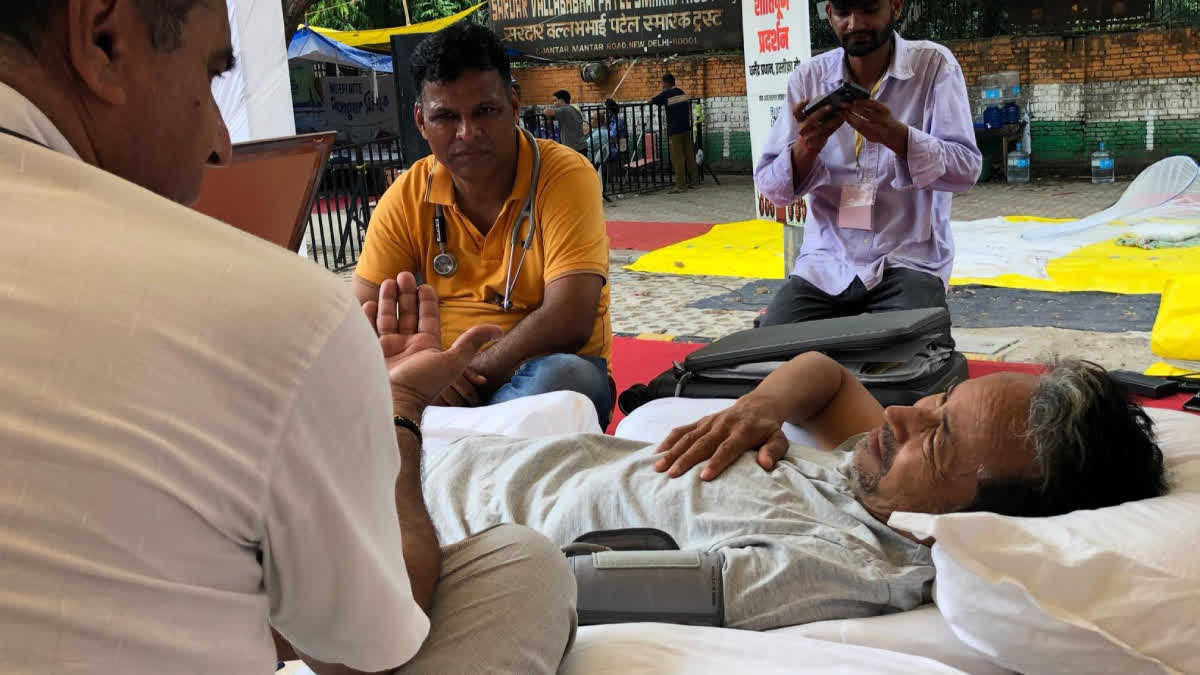
Sonam Wangchuk Hits Day 10 of Hunger Strike Over Exam Leaks: NEET-UG 2026 Row, CBSE Concerns, and What It Means for Students
Sonam Wangchuk Hits Day 10 of Hunger Strike Over Exam Leaks
Education reform activist and innovator Sonam Wangchuk has entered the 10th day of his indefinite hunger strike, intensifying pressure on the Union Government over the alleged NEET-UG 2026 examination paper leak and concerns surrounding CBSE evaluation and marking practices.
According to updates shared by his supporters, Wangchuk has reportedly lost around 7.3 kilograms since beginning his fast on June 28, 2026. Despite experiencing low blood pressure and reduced blood glucose levels, he has stated that his personal discomfort is insignificant compared with the challenges faced by millions of students who rely on a fair examination system.
The protest has sparked nationwide discussion about examination transparency, accountability, and reforms in India's education system.
Why Is Sonam Wangchuk on Hunger Strike?
Sonam Wangchuk launched his indefinite fast after expressing concern over what he describes as a growing crisis of trust in India's competitive examination system.
His protest highlights several issues, including:
Alleged NEET-UG 2026 paper leak
Demands for greater transparency in investigations
Concerns regarding CBSE evaluation and marking practices
Calls for stronger anti-cheating mechanisms
Protection of deserving students from systemic failures
Wangchuk argues that millions of hardworking students should not suffer because of failures in examination management.
Demand for Union Education Minister's Resignation
One of Wangchuk's major demands is the resignation of Union Education Minister Dharmendra Pradhan.
According to Wangchuk, accountability at the highest level is necessary to restore public confidence in India's examination system.
He has also called for:
Independent investigation into examination irregularities
Time-bound judicial inquiry
Greater transparency in recruitment and entrance examinations
Strong punishment for those involved in paper leaks
Health Update on Day 10
Supporters monitoring Wangchuk's health report that:
Weight loss of approximately 7.3 kg
Low blood pressure
Reduced blood sugar levels
Increasing physical weakness
Despite these concerns, Wangchuk has indicated that he intends to continue the fast until meaningful action is taken.
Medical professionals generally warn that prolonged fasting can significantly affect blood pressure, metabolism, muscle strength, and organ function, making continuous medical supervision essential.
Why the NEET-UG 2026 Paper Leak Matters
NEET-UG is India's largest medical entrance examination, with millions of candidates appearing every year.
Any allegation of a paper leak raises serious concerns because it can affect:
Fair competition
Student morale
Merit-based admissions
Public confidence in national examinations
Students spend years preparing for NEET, often investing significant time, effort, and financial resources. Even allegations of irregularities can create uncertainty and emotional stress among candidates.
CBSE Marking Concerns
In addition to the NEET issue, Wangchuk has highlighted concerns related to CBSE evaluation practices.
Some students and parents have raised questions about:
Consistency in marking
Transparency of evaluation
Rechecking procedures
Communication of assessment policies
These concerns have added to broader discussions about improving fairness and accountability across India's education system.
Public Reaction
The hunger strike has generated widespread reactions.
Supporters argue that:
Students deserve a transparent examination system.
Paper leaks must be prevented through stronger security.
Authorities should increase accountability.
Others believe investigations should proceed through established legal and administrative processes while ensuring due process for everyone involved.
The issue continues to attract attention from educators, students, parents, and civil society organizations.
What Students Want
Many students have demanded:
Leak-proof examination systems
Digital security improvements
Faster investigations
Strict punishment for offenders
Timely communication from authorities
Fair evaluation procedures
Experts say restoring trust requires both technological improvements and institutional reforms.
Possible Long-Term Reforms
Education experts have suggested several reforms, including:
AI-based monitoring of examination systems
Encrypted digital question paper distribution
Stronger cybersecurity measures
Independent examination oversight
Faster investigation mechanisms
Improved whistleblower protection
Better transparency in result processing
Such measures could reduce the risk of future examination irregularities.
Why This Protest Is Significant
Whether or not all of Wangchuk's demands are accepted, the protest has renewed national attention on examination integrity.
The central issues raised include:
Student rights
Accountability
Transparency
Fair competition
Public trust in education
These topics are likely to remain central to discussions on education policy in India.
Frequently Asked Questions (FAQs)
Why is Sonam Wangchuk on hunger strike?
He is protesting alleged irregularities in the NEET-UG 2026 examination, concerns over CBSE marking practices, and demanding greater accountability in India's education system.
When did Sonam Wangchuk begin his hunger strike?
He began his indefinite fast on June 28, 2026.
How much weight has Sonam Wangchuk reportedly lost?
Supporters have stated that he has lost approximately 7.3 kilograms during the protest.
What are his main demands?
His demands include accountability for examination irregularities, stronger reforms in examination systems, transparency in investigations, and the resignation of Union Education Minister Dharmendra Pradhan.
Why is the NEET-UG paper leak controversial?
Because NEET determines admission to medical colleges, any alleged paper leak can affect fairness, merit, and the confidence of millions of students.
Conclusion
Sonam Wangchuk's hunger strike has become a focal point in the ongoing debate over the integrity of India's examination system. His protest highlights concerns about alleged exam leaks, transparency, and accountability while drawing attention to the experiences of millions of students preparing for competitive examinations. As investigations and public discussions continue, the broader challenge remains ensuring that national examinations are secure, fair, and trusted by all stakeholders.
Image Alt Text: Sonam Wangchuk on Day 10 of his hunger strike demanding action over the NEET-UG 2026 paper leak and education reforms in India.



0 टिप्पणियाँ