
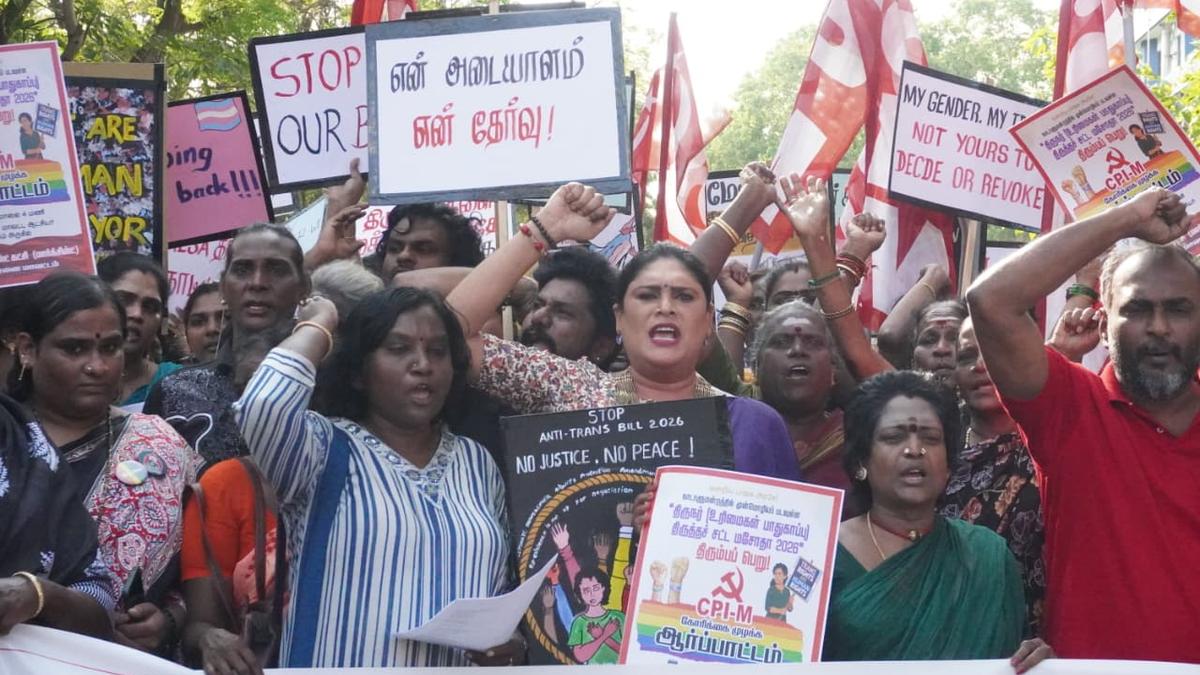
What Are the Proposed Amendments?
The recent amendments to transgender-related rules have sparked widespread debate—and for good reason. At their core, these changes aim to modify how gender identity is officially recognized and regulated in India.
In simple terms, the amendments introduce stricter procedural requirements for transgender individuals seeking legal recognition. Instead of relying primarily on self-identification, there is now a stronger emphasis on verification mechanisms, often involving district authorities or medical boards.
Here’s what stands out:
Increased Bureaucratic Control: Individuals may need approval from government bodies rather than self-declaring their gender.
Documentation Requirements: Additional paperwork and verification steps could delay the process.
Potential Medical Scrutiny: Some interpretations suggest indirect pressure toward medical examination, which raises ethical concerns.
While the government may argue that these steps ensure “authenticity” and prevent misuse, critics point out that such measures can undermine dignity and privacy. For many in the transgender community, identity is deeply personal—not something that should be validated by external authorities.
The key concern here is balance: How do you regulate without infringing on fundamental rights? That’s where the controversy begins.
Why Activists Are Raising Concerns
Transgender rights activists have been quick to respond—and their concerns are both legal and human.
At the heart of the issue is the belief that these amendments violate fundamental rights guaranteed under the Constitution, particularly:
Right to Equality (Article 14)
Right to Freedom and Expression (Article 19)
Right to Life and Personal Liberty (Article 21)
Activists argue that requiring approval or certification for gender identity creates a system where individuals must “prove” who they are, which can be both humiliating and discriminatory.
Some key concerns include:
Loss of Self-Determination: The ability to define one’s own identity is a cornerstone of personal freedom.
Risk of Harassment: Increased interaction with officials may expose individuals to bias or discrimination.
Accessibility Issues: Not everyone has easy access to district offices or documentation support, especially in rural areas.
There’s also a broader social angle. These rules could reinforce outdated stereotypes and make it harder for transgender individuals to live openly and safely.
Activists aren’t just opposing change—they’re advocating for a system that is inclusive, respectful, and aligned with constitutional values.
The 2014 NALSA Judgment – Why It Matters
To understand why these amendments are so controversial, we need to go back to a landmark moment in Indian legal history: the 2014 NALSA judgment.
In this case, the Supreme Court made a powerful statement—it recognized transgender persons as a “third gender” and affirmed their right to self-identify their gender without medical intervention.
This judgment wasn’t just symbolic. It established several key principles:
Self-Identification is a Fundamental Right: No external validation should be required.
Dignity and Privacy Must Be Protected: Gender identity is part of personal autonomy.
State Responsibility: The government must take steps to uplift and protect transgender communities.
The ruling was widely celebrated as a progressive step toward equality. It aligned India with global human rights standards and gave legal backing to the idea that identity is personal—not administrative.
Now, the concern is that the new amendments may contradict this very foundation. By reintroducing layers of verification, they could dilute the spirit of the judgment.
In essence, the debate isn’t just about policy—it’s about whether India continues to uphold a vision of freedom, dignity, and equality for all.
Government’s Perspective – What’s the Rationale?
While criticism has been strong, it’s equally important to understand the government’s reasoning behind these amendments. Officials argue that the changes are meant to bring clarity, structure, and accountability to the process of gender recognition.
From their point of view, the existing system may have gaps that could lead to misuse or inconsistencies in official records. By introducing verification steps, the aim is to create a standardized framework across states.
Key arguments often highlighted include:
Preventing Fraudulent Claims: Authorities believe verification ensures that benefits meant for transgender individuals are not misused.
Administrative Uniformity: A structured process helps maintain consistency in documentation nationwide.
Policy Implementation: Clear identification processes may make it easier to design and deliver welfare schemes.
However, this perspective raises an important question: Should administrative efficiency come at the cost of personal autonomy? Critics argue that while regulation is necessary, it must not override fundamental rights.
The challenge for policymakers is to strike a balance between governance and individual freedom—a balance that many believe is currently tilted in the wrong direction.
Legal Implications – A Possible Constitutional Challenge
Given the concerns raised, legal experts suggest that these amendments could face judicial scrutiny in the near future.
Why? Because any law or rule that appears to conflict with Supreme Court judgments or fundamental rights can be challenged in court.
Here’s where things get legally interesting:
The 2014 NALSA judgment clearly upheld self-identification as a right.
Any rule that indirectly restricts this could be seen as unconstitutional.
Courts in India have consistently expanded the scope of Article 21 (Right to Life) to include dignity, privacy, and autonomy.
If challenged, the judiciary will likely examine:
Whether the amendments are reasonable and proportionate
Whether they serve a legitimate state interest
Whether less restrictive alternatives were available
There’s also precedent. In several cases, Indian courts have struck down laws that impose unnecessary restrictions on personal identity and choice.
So, we may soon see a legal battle that once again defines the boundaries between state power and individual rights.
What This Means for the Transgender Community
Beyond legal debates and policy discussions, the real impact will be felt on the ground—by transgender individuals navigating daily life.
For many, these amendments could introduce new hurdles in accessing basic rights and services.
Here’s how it may affect them:
Delays in Identity Documents: Longer processes can affect access to jobs, education, and healthcare.
Increased Vulnerability: More interaction with officials may expose individuals to discrimination.
Mental and Emotional Stress: Being forced to “validate” one’s identity can be deeply distressing.
At the same time, this moment has also sparked renewed activism and awareness. Communities, NGOs, and legal experts are coming together to advocate for fair and inclusive policies.
There’s also a growing public conversation around gender identity and rights, which is a positive sign. Awareness is often the first step toward meaningful change.
The Road Ahead – Reform or Reversal?
So, where does this issue go from here?
There are a few possible scenarios:
Policy Revisions: The government may reconsider or modify the amendments based on public feedback.
Judicial Intervention: Courts could step in to strike down or reinterpret the rules.
Public Dialogue: Continued discussions may lead to more inclusive and balanced solutions.
What’s clear is that this is not just a policy issue—it’s a defining moment for human rights in India.
The path forward will depend on how stakeholders—government, judiciary, activists, and citizens—engage with the issue. Ideally, the outcome should uphold both constitutional values and human dignity.
Because at the end of the day, the question isn’t just about laws—it’s about ensuring that every individual has the freedom to live as their authentic self.



0 टिप्पणियाँ