
Post-Maduro Venezuela: Military Backs Delcy Rodríguez as VP, Tells People to Resume Normal Activities
In early January 2026, the world witnessed one of the most dramatic geopolitical shifts in modern Latin American history. Following a high-stakes U.S. military operation—codenamed Operation Absolute Resolve—that led to the capture of Nicolás Maduro, Venezuela entered a precarious "post-Maduro" era.
The Capture of Nicolás Maduro: A Turning Point
On January 3, 2026, U.S. President Donald Trump announced that elite special forces had captured Nicolás Maduro and his wife, Cilia Flores, in Caracas. The operation, which involved airstrikes on strategic locations like Fuerte Tiuna, resulted in Maduro being transported to the United States to face federal narco-terrorism and drug trafficking charges.
This unprecedented intervention effectively ended Maduro’s decade-long hold on the Miraflores Palace, but it did not immediately dismantle the "Chavista" power structure. Instead, it triggered a constitutional and military response aimed at preventing a total state collapse.
The Constitutional Succession: Delcy Rodríguez Steps Up
In the immediate aftermath of Maduro’s capture, Venezuela’s Supreme Tribunal of Justice (TSJ) invoked constitutional protocols regarding the "absolute absence" of the president. The court ordered Vice President Delcy Rodríguez to assume the role of interim president for a 90-day period.
Who is Delcy Rodríguez?
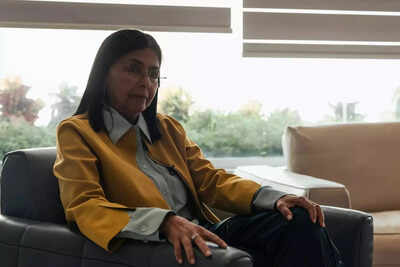
Delcy Rodríguez is a veteran diplomat and lawyer who has served as Maduro’s Executive Vice President since 2018. Known for her fierce rhetoric against "imperialism," she also possesses a pragmatic side that has earned the cautious attention of Washington.
- Diplomatic Experience: Former Foreign Minister and President of the National Constituent Assembly.
- Economic Influence: Has served as Oil Minister, managing the country’s vast reserves under heavy sanctions.
- Political Stance: While she has demanded the "immediate liberation" of Maduro, calling his capture a "barbaric kidnapping," she has also expressed a willingness for "respectful relations" with the U.S.
The Military’s Stance: Security and Continuity
The most critical factor in the post-Maduro landscape is the position of the Bolivarian National Armed Forces (FANB). Defense Minister Vladimir Padrino López appeared on national television alongside Rodríguez to signal the armed forces' loyalty to the interim administration.
Endorsing the Interim Presidency
Padrino López confirmed that the FANB recognizes the Supreme Court’s ruling, effectively placing the military's weight behind Delcy Rodríguez. This move was intended to project a united front and discourage internal coups or opportunistic uprisings from rival factions.
The Call for Normalcy
In a move to stabilize the economy and social order, the military leadership urged the Venezuelan people to "resume normal activities." Padrino López called for citizens to return to work, schools, and businesses, stating that the military would guarantee "administrative continuity and the comprehensive defense of the nation."
The Trump Administration’s Role: "Running" Venezuela?
A major point of contention in this transition is the level of U.S. involvement. President Trump stated that the U.S. would "run" Venezuela temporarily to "get the oil flowing" and ensure a "judicious transition." However, this has created a diplomatic paradox.
Secretary of State Marco Rubio clarified that while the U.S. holds significant leverage, especially over the oil sector through a continued quarantine, the goal is to see the remaining leadership in Caracas enact meaningful policy changes. Rubio noted that discussions regarding new elections are currently "premature."
Challenges to the Transition
Despite the military's call for normalcy, several challenges loom over the Rodríguez administration:
- The Opposition: Leader María Corina Machado remains a powerful figure, though the Trump administration has signaled it may work with existing technocrats to ensure immediate stability.
- Economic Fragility: With the U.S. aiming to involve major American oil companies to "fix the infrastructure," the control of oil revenue remains a flashpoint.
- Internal Factions: Hardline elements within "Chavismo," such as Diosdado Cabello, continue to hold influence and have signaled that the revolutionary force remains united.
Conclusion: A Fragile New Reality
Venezuela stands at a historic crossroads. The military’s decision to back Delcy Rodríguez provides a temporary veneer of stability, but the underlying tensions remain. As the population attempts to "resume normal activities" under the shadow of U.S. intervention, the world watches to see if this interim period will lead to a genuine democratic transition or a new form of managed governance.



0 टिप्पणियाँ